
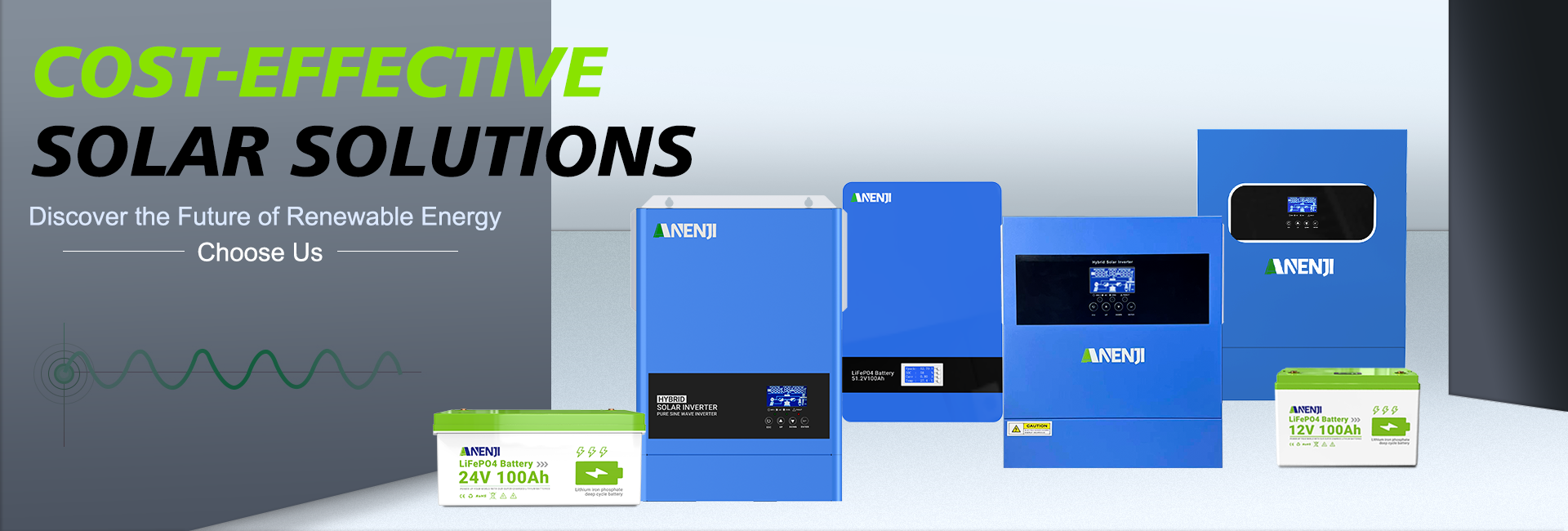
How to Choose the Right Inverter for Your Energy Needs
An inverter is a core component of solar power systems and backup power supplies,
responsible for converting direct current (DC) from batteries and solar panels into alternating current (AC) for household appliances and industrial equipment.
To select a reliable, high-performance inverter that matches your needs, you must evaluate power load,
appliance compatibility, system configuration, and efficiency—not just basic specifications. Below is a complete, practical buying guide.
1. Calculate Your Total Power Needs and Leave Safe Margin
The first step in choosing an inverter is to understand your real power consumption.
List all devices that will run at the same time and calculate their total rated power.
For example: refrigerator 500W, TV 150W, lighting 100W = total 750W.
Most appliances require extra power at startup, so you should choose an inverter with
at least 20% higher capacity than your total load. This prevents overload, tripping, and early damage.
2. Choose the Correct Waveform for Your Devices
Output waveform determines compatibility and is one of the most important decisions:
Pure Sine Wave Inverters: Produce clean, stable power identical to grid electricity.
They work safely with sensitive electronics such as refrigerators,
air conditioners, medical devices, and LED TVs. They run quietly and efficiently.
Modified Sine Wave Inverters: Lower cost but produce imperfect power.
They may cause overheating, noise, or malfunction in sensitive devices.
They are only suitable for simple loads like light bulbs and resistive heaters
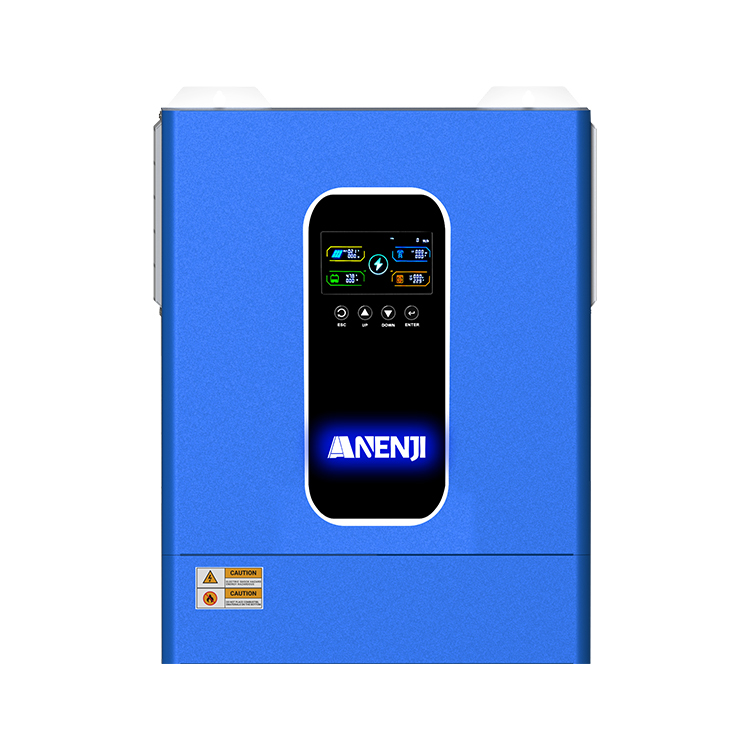
3. Match Battery Voltage for System Efficiency
Inverters are designed to work with specific battery voltages:
commonly 12V, 24V, and 48V.Small systems (RVs, small backup units) often use 12V or 24V.
Large solar and home energy systems perform better with 48V inverters,
which reduce current flow, lower energy loss in wires, and improve overall efficiency.
4. Select Grid-Tied or Off-Grid Based on Location
Your power environment determines which type of inverter you need:
Grid-Tied Inverters: Connect to the public utility grid.
They power your home and feed extra electricity back to the grid for credits or income.Ideal for urban residential solar.
Off-Grid Inverters: Operate independently without grid access.
They rely fully on solar panels and battery storage. Perfect for remote homes, farms, and cabins.
4. Select Grid-Tied or Off-Grid Based on Location
Your power environment determines which type of inverter you need:
Grid-Tied Inverters: Connect to the public utility grid.
They power your home and feed extra electricity back to the grid for credits or income.
Ideal for urban residential solar.
Off-Grid Inverters: Operate independently without grid access.
They rely fully on solar panels and battery storage. Perfect for remote homes, farms, and cabins.
5. Prioritize Efficiency and Surge Capacity
Efficiency measures how much DC power is converted into usable AC power.
Higher efficiency means less waste and lower long-term costs.
Aim for inverters with 90% efficiency or higher.Also check surge capacity: motors,
air conditioners, and power tools need a short burst of extra power to start. Your inverter must support these surges to avoid failure.
Conclusion
Choosing the right inverter ensures stable power, protects your devices,
and extends the life of your entire energy system.
By carefully evaluating your power demands, appliance types,
installation scenario, and efficiency goals, you can select a cost-effective and reliable inverter that truly fits your needs.